When Tree Removal Becomes Necessary for Burtonsville, MD Properties

Tree Removal Burtonsville MD | Hometown Tree Experts
Tree Removal | Hometown Tree Experts | Burtonsville, MD | Spencerville, MD

Businesses like Hometown Tree Experts provides tree trimming services for businesses and residents across Burtonsville and the surrounding areas, helping businesses and residents improve safety, manage hazardous trees, and maintain healthy outdoor environments. While routine trimming supports tree health and appearance, there are situations where tree removal is the safest and most responsible option. In Burtonsville, mature trees, changing weather patterns, and property development can all contribute to conditions where removal becomes necessary to protect people, structures, and surrounding landscapes.

Understanding When Tree Removal Is Required

Tree removal is typically recommended when a tree poses a safety risk or can no longer be maintained through trimming. Trees that are dead, severely diseased, structurally unstable, or damaged by storms often cannot recover. In these cases, removal helps prevent falling limbs or complete tree failure that could damage nearby homes, vehicles, or utility lines.

In Burtonsville, properties often feature large, established trees. While these trees add beauty and shade, they can also create risks if their root systems weaken or their canopies become unstable. Professional assessment is critical to determining whether a tree can be preserved or should be removed.

Safety Concerns for Homes and Commercial Properties

One of the primary reasons property owners choose tree removal is safety. Trees that lean excessively, have hollow trunks, or show signs of internal decay can become unpredictable. During storms, high winds, or heavy snowfall, compromised trees are more likely to fall.

For businesses, unsafe trees can pose liability concerns, especially in parking areas, walkways, or near entrances. For homeowners, the risk extends to roofs, fences, driveways, and neighboring properties. Tree removal helps eliminate these hazards before they result in costly damage or injuries.

The Impact of Diseased or Infested Trees

Diseases and pest infestations can spread quickly if not addressed. Certain tree diseases weaken structural integrity and can transfer to nearby healthy trees. Insect infestations may also cause extensive internal damage that is not always visible from the outside.

When a tree is beyond treatment, removal helps protect the surrounding landscape. Removing a diseased or infested tree can prevent wider damage and support the long-term health of other trees on the property.

Tree Removal and Property Improvements

Tree removal is sometimes necessary to support property improvements or landscape redesigns. Construction projects, driveway expansions, utility installations, or new landscaping plans may require removing trees that interfere with development.

In these situations, professional tree removal ensures the process is handled safely and efficiently. Proper planning helps avoid damage to nearby structures and allows property owners to move forward with improvements confidently.

Professional Tree Removal Methods

Tree removal is a complex process that requires training, equipment, and experience. Professionals evaluate tree size, location, surrounding structures, and ground conditions before beginning work. Depending on the situation, removal may involve sectional dismantling, controlled lowering of limbs, or specialized equipment to manage tight spaces.

Stump removal or grinding is often recommended after tree removal to prevent regrowth and improve the appearance of the area. Removing the stump also helps eliminate tripping hazards and allows for future landscaping.

Environmental Responsibility in Tree Removal

Responsible tree removal considers environmental impact. Professionals aim to minimize disruption to surrounding plants, soil, and wildlife habitats. In many cases, removed wood can be repurposed or recycled rather than wasted.

Tree removal is not taken lightly. It is typically recommended only when preservation is no longer viable. When done correctly, removal supports overall landscape health and safety.

Choosing a Qualified Tree Removal Provider

Selecting the right provider is essential for safe and effective tree removal. Property owners should look for companies with experience, proper equipment, and a strong understanding of tree biology and safety protocols. Knowledge of local conditions in Burtonsville is also important.

A qualified provider will assess the tree, explain the reasons for removal clearly, and outline the process before work begins. Clear communication and attention to safety are key indicators of a reliable tree removal service.

Conclusion

Tree removal plays an important role in protecting properties, improving safety, and supporting healthy landscapes in Burtonsville, MD. Whether due to storm damage, disease, structural instability, or property improvements, professional tree removal helps reduce risks and maintain long-term property value. By working with experienced professionals, homeowners and businesses can ensure tree removal is handled responsibly and safely.

Many businesses and residents in the Spencerville, MD area also use Hometown Tree Experts for their tree removal service needs.

Read MoreRead More

Mold Inspections Los Angeles: What Every Homeowner Needs Before Buying a Property

Buying a home in Los Angeles is a major investment. Many properties look clean on the surface, but hidden issues may still exist behind walls or under flooring. Mold inspections Los Angeles buyers request help uncover moisture, mold spores, and conditions that could lead to mold growth.

A certified mold inspection offers accurate information that a standard home inspection cannot provide. Keep reading to learn the essential steps every homeowner needs before purchasing a property and stay with us through the final section for helpful next steps.

Why Mold Inspections Matter When Buying a Home in Los Angeles

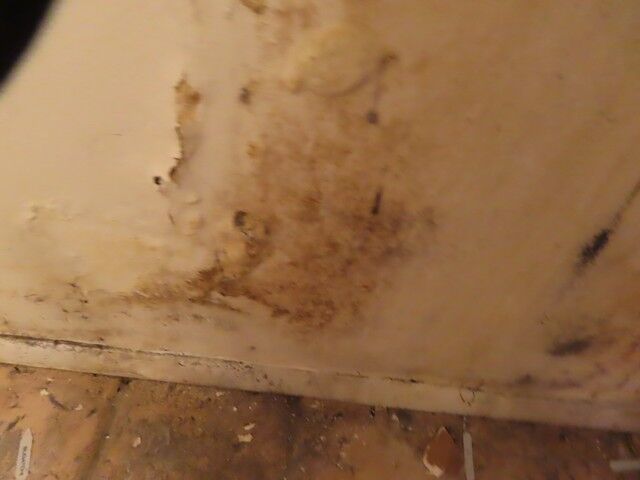
Los Angeles mold issues are common because of warm temperatures, humidity, and older building materials. Many homes experience small leaks, water damage, or intrusion without anyone noticing. Moisture meets organic surfaces, and mold begins growing.

A mold inspection protects the buyer from unexpected repairs. A home inspection does not include mold test procedures, air quality testing, or checking for hidden water. A mold inspection provides early detection and peace of mind. Professional mold inspection services help you make informed decisions before closing.

What Mold Inspectors Look for During a Pre Purchase Evaluation

A professional mold inspector performs a thorough job during a pre purchase inspection. The inspection process goes beyond what is visible to the naked eye. Inspectors check areas that often develop mold spores, such as bathrooms, basements, kitchens, attics, and laundry rooms. They also inspect ventilation systems, plumbing lines, and other problem areas.

Tools used during property inspections may include

  • Moisture meters to detect hidden water
  • Thermal imaging to identify temperature differences
  • Humidity gauges to measure indoor air moisture
  • Surface sampling for discoloration
  • Air sample testing to check air quality

Many homeowners rely on this level of detail before committing to a purchase. Testing experts offer mold inspection and testing services that confirm whether mold is present and whether conditions exist that could lead to mold in the future.

The Importance of Finding Hidden Water Damage

Water damage often hides inside walls or under flooring. This damage may come from older pipes, poor ventilation, previous flooding, or roofing issues. Many homes receive cosmetic repairs that cover stains but not the underlying moisture.

Common sources of hidden water include

  • Slow pipe leaks
  • Roof intrusion
  • Window seal breakdown
  • Faulty shower installation
  • Drainage problems around the home

A mold inspection identifies hidden water that could lead to mold growth. Testing services help determine the extent of moisture. Mold inspection and testing services provide accurate information, allowing buyers to plan next steps before closing.

Why Standard Home Inspections Are Not Enough

A general home inspection checks structure, safety, and mechanical systems. It may mention visible mold related concerns but does not include mold testing in Los Angeles or moisture measurements. Standard inspectors do not perform mold specific diagnostics.

A mold inspection company provides

  • Air quality testing
  • Moisture detection
  • Surface sampling
  • Mold investigation
  • Certified mold inspection reporting
  • Mold test options with sample analysis

Homeowners benefit from both inspections. The home inspector confirms structural safety. The mold inspector confirms environmental safety. Both help buyers make informed decisions.

Mold Testing and Sampling During a Real Estate Purchase

Mold testing services strengthen a mold inspection by confirming mold spores in indoor air. Testing Los Angeles homes often includes surface sampling and air samples. These tests detect mold that is not visible.

Surface sampling checks areas with

  • Stains
  • Texture changes
  • Discoloration
  • Odor concerns

Air samples check indoor air quality by comparing indoor levels to outdoor levels. A hygienist completes sample analysis to provide clear findings and recommendations. Buyers can then understand health risks and evaluate remediation efforts if needed.

How Mold Inspections Support Real Estate Negotiations

When a mold issue is found, buyers gain leverage. Inspection services provide documented facts about mold growth, water damage, or conditions that support mold. This information can influence pricing or seller credits.

A mold inspection company provides unbiased results. Because a professional mold inspector does not perform mold remediation, there is no conflict of interest. Buyers receive honest data that supports negotiation without pressure.

What Buyers Should Expect from a Professional Pre Purchase Mold Inspection

A high quality mold inspection offers environmental clarity. Buyers should expect a detailed home evaluation from mold inspectors who understand building materials, ventilation, and moisture behavior. A professional mold inspector will inspect both visible and hidden areas.

You should receive

  • A full visual inspection
  • Moisture detection in building materials
  • Air quality testing if needed
  • Surface sampling for problem areas
  • A written report with findings and recommendations
  • Clear next steps if mold is present
  • An unbiased assessment with no pressure

This information helps buyers avoid mold related surprises after moving in.

Get Reliable Mold Inspection Support Before You Buy a Home

A pre purchase mold inspection gives you accurate information about the true condition of a property. At Golden State Mold Inspections, we are dedicated to providing thorough inspection services throughout Los Angeles County and the greater Los Angeles area. You can get information about our mold inspection process, mold testing services, and sampling options for both residential and commercial properties.

Our services throughout the region include

  • Complete mold inspections
  • Partial inspections for buyers and sellers
  • Mold inspection and testing
  • Surface sampling and air sample collection
  • Pre assessments and post remediation clearance
  • Abatement scope guidance
  • Bulk lead paint testing and asbestos testing

Many homeowners search for mold inspections near me because they want the best inspection company in the Los Angeles area. Los Angeles provides many older properties where mold investigation is essential. We offer mold detection and mold related evaluations with no conflict of interest. We do not perform mold remediation, so every inspection is unbiased.

If you want trusted mold inspections Los Angeles buyers rely on, call us today.
Book an appointment and move forward with clarity and peace of mind.

Golden State Mold Inspections

204 Lomita St, El Segundo, CA 90245

(417) 838-4398

Read MoreRead More

One Way Window Film in Brooklyn, NY: Privacy Control for Urban Properties

one way window film in Brooklyn, NY

Property owners evaluating one way window film in Brooklyn, NY are typically focused on improving privacy without sacrificing natural light or interior visibility. In a dense urban environment where residential buildings, offices, and street level spaces are often in close proximity, managing sightlines is a practical concern. One way window film provides a discreet solution by limiting exterior visibility under specific lighting conditions while preserving outward views from inside.

This article explains how one way window film works, where it is best applied, and what Brooklyn property owners should understand before proceeding with installation.


What Is One Way Window Film?

One way window film, often referred to as reflective or mirror window film, is a specialized architectural film designed to create a visibility imbalance between the interior and exterior of a building. During daylight hours, when the exterior is brighter than the interior, the film reflects light outward. This reflection reduces the ability to see inside from the exterior while maintaining visibility from the interior looking out.

It is important to note that one way film does not create permanent privacy in all conditions. Privacy performance is dependent on lighting balance, which makes proper education and placement essential.


Why One Way Window Film Is Popular in Brooklyn

Privacy in High Density Neighborhoods

Brooklyn neighborhoods feature closely spaced residential buildings, street facing apartments, and ground floor commercial spaces. One way window film helps address privacy concerns without requiring blinds or curtains that block daylight and views.

Preserving Natural Light

Unlike opaque privacy treatments, one way window film allows interior spaces to remain bright and visually open. This is especially valuable in apartments and offices where access to natural light is limited.


Key Benefits of One Way Window Film

Daytime Privacy Without Obstruction

When installed correctly and used under appropriate lighting conditions, one way window film significantly reduces visibility from the outside during daylight. This makes it suitable for living areas, offices, and storefronts where daytime privacy is the primary objective.

Solar and UV Control

Many one way window films also provide solar benefits, including reduced glare and ultraviolet protection. High quality products often block up to 99 percent of UV radiation, helping protect interiors from sun damage.

Clean and Modern Appearance

Reflective and neutral mirror films create a sleek exterior appearance that complements modern and mixed use architecture. Non reflective or lightly reflective options are also available to meet aesthetic or regulatory requirements.


Common Applications in Brooklyn Properties

One way window film is commonly installed in:

  • Ground floor apartments and residences
  • Office spaces and conference rooms
  • Retail storefronts with street exposure
  • Medical and professional offices
  • Mixed use and multi tenant buildings

Each application requires careful evaluation of lighting patterns and building orientation to ensure realistic expectations.


Important Limitations to Understand

Nighttime Privacy Considerations

At night, when interior lights are brighter than the exterior, the privacy effect of one way window film is reduced or reversed. In these conditions, supplemental window treatments such as shades or blinds are typically recommended.

Building Orientation and Use

One way window film performs best on windows with consistent daytime exterior brightness. North facing or shaded windows may not provide the same privacy effect as south or west facing glass.

Professional consultation helps ensure appropriate film selection and placement.


Installation Expertise and Local Considerations

Professional installation is critical for both appearance and performance. In Brooklyn, installers must account for:

  • Window size and glazing type
  • Lighting conditions and usage patterns
  • Exterior reflectivity guidelines
  • Building management or landlord requirements

Experienced installers provide clear guidance on performance expectations and ensure smooth, uniform application.


Durability, Maintenance, and Warranty

High quality one way window films are designed for durability and typically last 10 to 15 years depending on exposure and product quality. Maintenance is minimal and usually involves standard window cleaning using non abrasive materials after the curing period.

Reputable manufacturers offer warranties that may cover:

  • Adhesive failure
  • Peeling or delamination
  • Discoloration or reduction in reflectivity

These warranties serve as important trust indicators when selecting both product and installer.


Selecting the Right One Way Window Film

When choosing one way window film in Brooklyn, property owners should consider:

  • Daytime privacy requirements versus nighttime use
  • Desired level of reflectivity
  • Solar and UV performance
  • Installer experience with similar properties

A consultative approach helps avoid mismatched expectations and ensures long term satisfaction.


Conclusion

One way window film offers a practical privacy solution well suited to Brooklyn’s dense urban environment when used appropriately. By balancing visibility, daylight, and exterior reflectivity, it enhances comfort and discretion without altering building structure. When professionally specified and installed, one way window film represents a reliable and visually clean option for managing privacy in residential and commercial properties.

Read MoreRead More

How Window Placement Affects Heat Gain in Heating and Cooling Springfield Missouri Homes

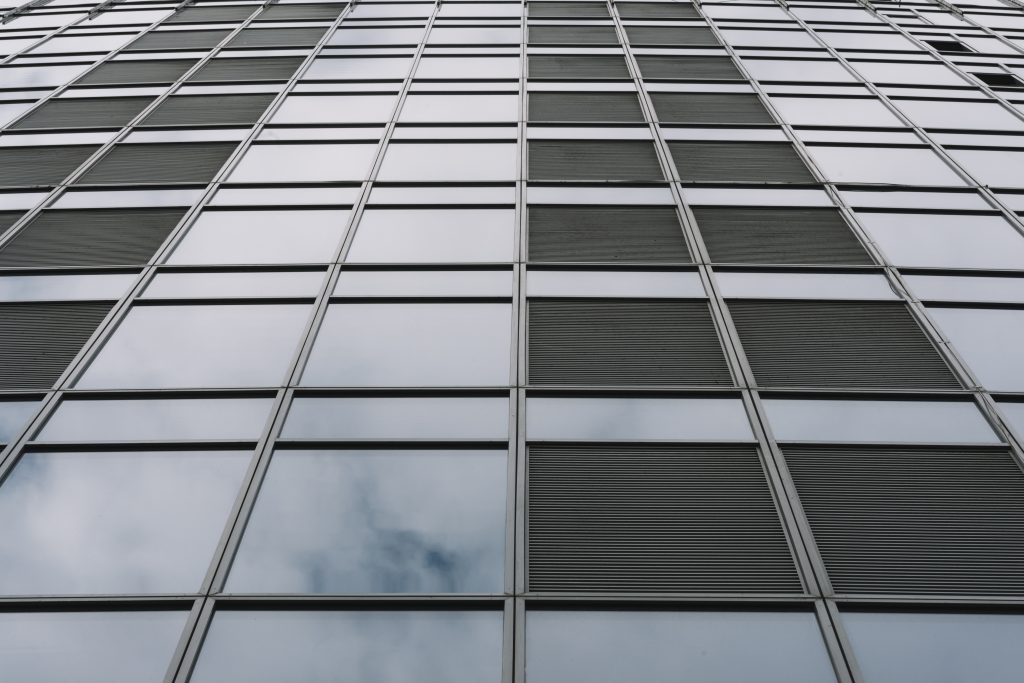
Windows do more than let in light and views, they significantly impact your home’s heating and cooling efficiency. In Springfield, Missouri, where summers can be hot and winters chilly, proper window placement can reduce energy costs, improve comfort, and support your HVAC system. Redeemed HVAC, a trusted heating and cooling Springfield, Missouri provider, explains how window placement affects heat gain and offers practical tips for homeowners.

The Basics of Heat Gain

Heat gain occurs when sunlight and warm outdoor air increase the temperature inside your home. Windows are a primary point for this transfer, as glass allows sunlight to enter while sometimes letting warm air leak in. Improper window placement can cause uneven temperatures, making some rooms excessively hot in summer or difficult to heat in winter.

There are two main types of heat gain:

  • Solar heat gain: Caused by sunlight passing through windows and warming indoor surfaces.
  • Air leakage: Warm outdoor air enters through poorly sealed windows, increasing the workload on heating and cooling systems.

Understanding these concepts helps homeowners make strategic decisions about window placement, glazing, and shading.

Orientation Matters

The direction your windows face strongly affects heat gain:

  • South-facing windows: These receive the most sunlight in winter, which can be beneficial for passive heating. In summer, however, they may cause overheating if not shaded properly.
  • North-facing windows: These receive less direct sunlight, maintaining cooler temperatures in summer and minimizing heat gain.
  • East-facing windows: Morning sun can warm bedrooms and kitchens early in the day.
  • West-facing windows: Afternoon sunlight can significantly raise indoor temperatures, especially during summer months.

By considering orientation, homeowners can balance natural light and heat gain while reducing strain on heating and cooling systems.

Window Size and Placement

The size and location of windows influence how much heat enters your home. Large windows in direct sunlight can dramatically increase temperatures in a room, whereas smaller or strategically placed windows can limit unwanted heat gain.

  • Living rooms and sunrooms: South-facing large windows can provide warmth in winter but may require shading in summer.
  • Bedrooms: East-facing windows can capture morning light without overheating the room later in the day.
  • Kitchens: Consider smaller or shaded windows near ovens and stoves to prevent excessive heat buildup.

Redeemed HVAC often advises homeowners to balance window size with sun exposure to maintain consistent indoor temperatures.

The Role of Window Glazing

Modern windows offer different glazing options to control heat gain. Double or triple-pane windows, low-emissivity (Low-E) coatings, and gas fills between panes can reduce solar heat gain and improve insulation.

  • Low-E coatings: Reflect infrared light while allowing visible light to enter, reducing heat gain in summer.
  • Double/triple panes: Provide better insulation than single-pane windows, keeping rooms warmer in winter and cooler in summer.
  • Tinted windows: Reduce glare and solar heat gain, which is particularly useful for west-facing rooms.

Upgrading windows or adding specialized glazing can complement your home’s heating and cooling system, reducing energy usage.

Shading and Exterior Solutions

Shading devices help manage heat gain effectively without sacrificing natural light:

  • Overhangs or awnings: Block high summer sun while allowing winter sunlight to enter.
  • Exterior shutters or blinds: Provide flexibility for controlling light and heat throughout the day.
  • Landscaping: Trees or shrubs can provide natural shade and reduce solar heat gain.

Integrating shading solutions with proper window placement enhances comfort and reduces the workload on your HVAC system.

Air Sealing and Insulation

Even well-placed windows can cause problems if air leaks are present. Proper sealing and insulation around windows prevent unwanted heat gain and loss.

  • Weatherstripping: Seals gaps around moving parts like sashes and frames.
  • Caulking: Closes gaps between window frames and walls.
  • Insulated window frames: Reduce heat transfer through the frame itself.

These measures ensure that your heating and cooling system works efficiently, keeping rooms at a consistent temperature year-round.

Seasonal Considerations

In Springfield, Missouri, seasonal changes impact how windows affect heat gain:

  • Summer: Minimize direct sunlight with shades, blinds, or exterior coverings. Focus on ventilation to remove heat that enters through windows.
  • Winter: Maximize passive solar heating by allowing sunlight to enter south-facing windows while keeping them well-sealed to prevent heat loss.

Understanding seasonal variations allows homeowners to adjust their window treatments and HVAC settings accordingly.

Coordinating Window Placement with HVAC Systems

Windows and HVAC systems should work together. Poor window placement can create hot or cold spots that confuse thermostats, leading to inefficient heating or cooling. Redeemed HVAC recommends:

  • Avoid placing air vents directly in front of large windows: This prevents wasted energy as warm or cool air escapes through the glass.
  • Use zoning systems for uneven heat distribution: Target cooling or heating where it is needed most.
  • Consider ceiling fans or portable fans: Improve air circulation to balance temperatures near windows.

Proper integration of window placement and HVAC design improves comfort, reduces energy bills, and prolongs system lifespan.

Practical Tips for Homeowners

  1. Evaluate window orientation when building or remodeling.
  2. Use appropriate window glazing to limit solar heat gain.
  3. Install shading devices like blinds, curtains, or exterior awnings.
  4. Seal and insulate windows to prevent unwanted heat transfer.
  5. Coordinate HVAC zones to account for heat gain near windows.

Smart Window Planning for Comfort

Window placement is more than an aesthetic choice, it directly affects how heat enters your home and how efficiently your heating and cooling system operates. By understanding orientation, size, glazing, and shading, homeowners in Springfield, Missouri, can maintain comfortable indoor temperatures year-round.

For expert guidance on optimizing heating and cooling in homes with challenging window layouts, Redeemed HVAC provides professional evaluations and solutions. Their team can assess your windows, recommend improvements, and ensure your HVAC system operates efficiently, keeping every room comfortable.Strategic window placement, proper sealing, and complementary HVAC solutions can reduce heat gain, lower energy costs, and create a home that stays comfortable in both summer and winter. Contact Redeemed HVAC in Springfield, Missouri, for expert advice and service today.

Redeemed HVAC
10224 W Farm Rd 178, Republic, MO 65738
(417) 241-5687
https://redeemedhvac.com/

Read MoreRead More

Heat Pump Repair Springfield Checks for Outdoor Units Near Bright Lighting

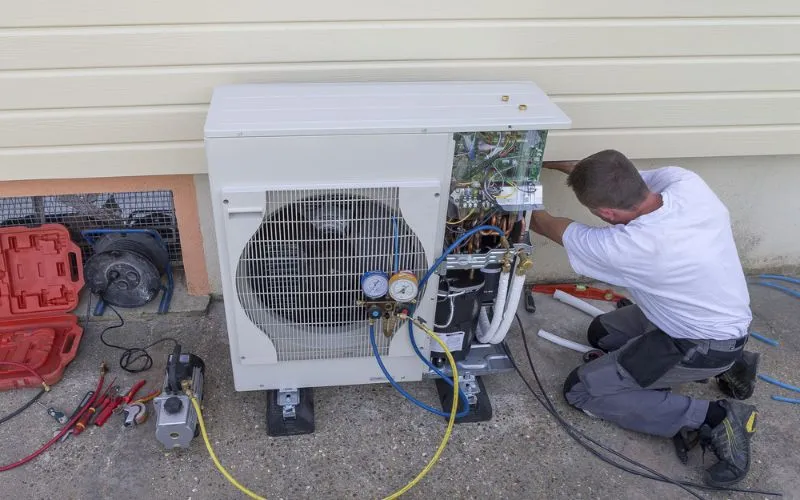
Heat pumps are an essential part of home comfort in Springfield, providing reliable heating and cooling throughout the year. While most homeowners focus on regular maintenance, one often overlooked factor is the placement of the outdoor unit in relation to bright lighting. Surprisingly, nearby bright lights can affect a heat pump’s performance and may lead to the need for professional heat pump repair Springfield services. 

Redeemed HVAC specializes in inspecting, maintaining, and repairing heat pumps to ensure they operate efficiently, even in challenging placement situations. Understanding the relationship between outdoor lighting and heat pump performance helps homeowners prevent damage, maintain efficiency, and avoid unnecessary repairs.

How Bright Lighting Affects Outdoor Heat Pump Units

Outdoor heat pump units rely on a combination of airflow, temperature, and sensor functionality to operate efficiently. Many modern heat pumps include sensors that monitor ambient light or temperature to adjust defrost cycles and fan operation. Intense or improperly positioned bright lights can interfere with these sensors, causing the system to misread conditions and operate inefficiently.

For instance, heat pumps may incorrectly detect warmer temperatures due to the radiant heat from nearby lights. This can reduce heating output in winter or cause the system to run longer than necessary, increasing energy use and component wear. Over time, these inefficiencies can lead to problems that require professional heat pump repair Springfield.

Nighttime Operations and Bright Lights

Heat pumps operate continuously during colder nights, and if outdoor units are exposed to bright lighting, it can disrupt normal nighttime cycles. Excessive light may confuse the system’s defrost function or affect thermostat readings, causing uneven heating or unnecessary cycling. These issues are subtle but can have long-term effects on efficiency and system longevity if not addressed.

Signs That Your Outdoor Unit Placement May Require Attention

Homeowners should watch for several signs that outdoor lighting could be affecting their heat pump:

  • Inconsistent indoor temperatures: Some rooms may feel warmer or cooler than others, even when the heat pump is running normally.
  • Frequent cycling: The system may turn on and off more often than usual.
  • Unexpected energy spikes: Higher-than-normal electricity bills may indicate the system is working harder due to sensor misreadings.
  • Noise changes: Unusual fan or compressor activity can result from irregular operational cycles triggered by bright lighting.

If you notice any of these signs, it’s wise to contact Redeemed HVAC for professional inspection and repair.

Placement Considerations for Heat Pump Outdoor Units

Correct placement of outdoor units is critical for efficient operation. Bright lighting is just one factor, but it can interact with others such as airflow, nearby structures, and vegetation. Recommendations from Redeemed HVAC for proper placement include:

  1. Avoid direct exposure to intense lights: Position the unit away from strong outdoor lighting or shield it to prevent radiant heat from affecting sensors.
  2. Ensure proper clearance: Maintain at least two feet of space around the unit for airflow and accessibility.
  3. Minimize obstructions: Keep plants, fences, and other objects away from the unit to prevent airflow interference.
  4. Consider ambient temperature: Avoid placing the unit near heat sources like outdoor lamps, generators, or reflective surfaces that may impact operation.
  5. Regular inspection: Schedule routine checks to ensure no environmental factors, including lighting, are affecting performance.

By following these placement guidelines, homeowners reduce the risk of inefficiency and minimize the chances of requiring costly repairs.

How Professional Technicians Address Lighting-Related Issues

When a heat pump is affected by nearby bright lighting, professional technicians from Redeemed HVAC can:

  • Inspect outdoor units for sensor interference or misplacement.
  • Adjust or reposition the unit to optimize airflow and sensor performance.
  • Check electrical components and ensure proper operation despite environmental factors.
  • Test the system to confirm consistent heating and cooling output.
  • Provide recommendations to prevent future issues caused by lighting or other placement challenges.

Professional intervention ensures that environmental factors do not compromise your heat pump’s performance or longevity.

Preventative Maintenance to Avoid Repair Needs

Proactive maintenance is key to preventing problems caused by environmental interference, including bright lighting. Homeowners should:

  • Schedule annual heat pump inspections.
  • Clean and clear the area around the outdoor unit.
  • Monitor for unusual noises, inconsistent heating, or spikes in energy consumption.
  • Address any environmental changes, such as new lighting installations, that may affect the unit.

Routine maintenance and careful observation allow homeowners to maintain optimal performance and reduce the need for emergency heat pump repair Springfield.

Long-Term Benefits of Proper Placement

Addressing outdoor unit placement and environmental factors offers several long-term advantages:

  1. Improved energy efficiency: Units operate with less strain, reducing electricity costs.
  2. Consistent indoor comfort: Properly functioning sensors and airflow maintain even temperatures throughout the home.
  3. Extended system lifespan: Avoiding unnecessary cycling and component strain prolongs heat pump life.
  4. Fewer emergency repairs: Regular inspections and optimal placement reduce the likelihood of sudden breakdowns.

Optimize Your Outdoor Unit Placement

Bright lighting near a heat pump’s outdoor unit may seem harmless, but it can affect sensor operation, airflow, and overall system performance. Homeowners in Springfield should be aware of placement factors and consider professional inspection and adjustment when needed. Redeemed HVAC provides expert heat pump repair Springfield services, ensuring that your system operates efficiently despite environmental challenges.

Contact Redeemed HVAC today to schedule an inspection or service and ensure your heat pump is positioned correctly for reliable, efficient operation year-round. Proper placement and maintenance protect your investment and maintain home comfort.

Redeemed HVAC
10224 W Farm Rd 178, Republic, MO 65738
(417) 241-5687
https://redeemedhvac.com/

Read MoreRead More

How Floor Layouts Affect Heat Flow and Require Furnace Repair Springfield Help

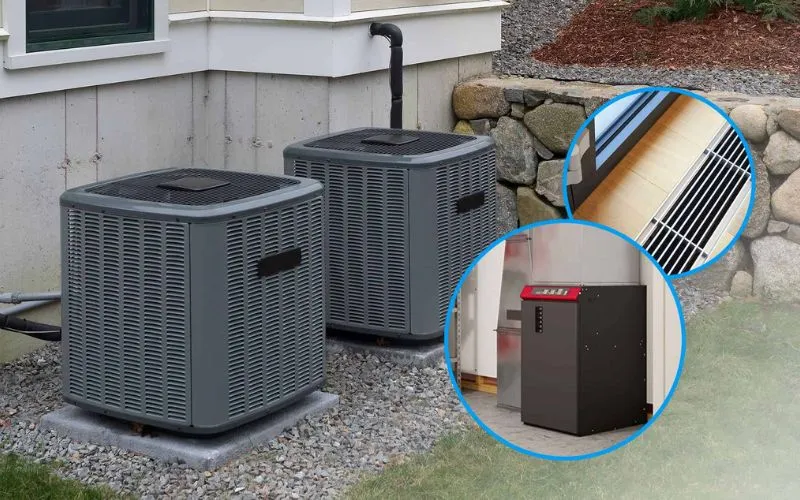
The design of your home greatly influences how heat spreads. Redeemed HVAC has seen that certain floor layouts can create uneven heating, forcing the furnace to work harder and sometimes triggering furnace repair Springfield needs. Understanding how your home’s layout impacts airflow helps prevent early system strain, keeps energy bills lower, and ensures comfortable temperatures in every room.

How Floor Layout Shapes Heat Flow

Your home’s structure determines how efficiently warm air moves from the furnace to each room.

Open vs. Closed Floor Plans

Open layouts allow warm air to move freely between spaces. Living rooms, kitchens, and hallways without walls or barriers heat evenly, reducing strain on the furnace. Closed layouts, with many separate rooms or walls, can trap heat in certain areas while leaving other spaces cold. This uneven distribution can cause the furnace to run longer, leading to early wear and increased energy consumption.

Hallways and Narrow Pathways

Long hallways or narrow corridors can limit airflow. When warm air must travel down tight paths, it loses energy along the way, leaving rooms at the far end cooler. Over time, this forces the furnace to work harder to maintain the desired temperature throughout the home.

Multiple Levels and Heat Distribution

Heat naturally rises, which means upper floors may feel warmer while lower floors stay cooler. If your home has multiple levels, poorly placed vents or insufficient return air pathways can create uneven temperatures. The furnace must compensate, increasing the risk of short cycling and premature component wear.

Signs That Floor Layout May Be Affecting Your Furnace

Certain indicators show that your furnace is struggling due to the layout of your home.

1. Uneven Heating Across Rooms

If some rooms are consistently warmer than others, the layout may be restricting airflow. Closed-off spaces, corners, and distant rooms are often the coldest.

2. Longer Furnace Runtime

When the furnace runs longer than expected, it may be trying to compensate for areas that are harder to heat.

3. Short Cycling

Sensors detect uneven temperatures, causing the furnace to turn on and off more frequently. Short cycling not only reduces comfort but also increases the likelihood of mechanical issues.

4. Increased Dust Accumulation in Certain Rooms

Poor airflow can cause dust and debris to settle in specific areas instead of being pulled back through return vents. This can indirectly affect the furnace by forcing it to work in a dustier environment.

5. Drafts or Cold Spots Near Corners

Corners or rooms far from vents often feel drafty or colder than the rest of the house. These areas signal that heat flow is being interrupted by the home’s structure.

How Floor Layouts Contribute to Furnace Strain

When airflow is disrupted by hthe ome layout, the furnace experiences more stress.

Uneven Heat Creates Overuse

The furnace must run longer to reach the thermostat setting for rooms far from the vents. This extended runtime increases wear on motors, burners, and other components.

Pressure Imbalance

Air trapped in certain areas causes pressure differences in the duct system. High pressure in some ducts and low pressure in others can strain the blower motor and reduce system efficiency.

Energy Waste

Uneven heating forces the furnace to consume more fuel or electricity to maintain consistent temperatures, leading to higher utility bills.

Practical Ways to Improve Heat Flow

Several adjustments can reduce furnace strain caused by floor layout.

Keep Vents Clear and Unobstructed

Furniture, storage, or rugs near vents can block airflow. Keeping vents open helps air circulate efficiently.

Use Fans or Duct Boosters

Ceiling fans or small duct fans can help distribute warm air more evenly, especially in multi-level homes or rooms far from the furnace.

Add Return Vents if Needed

Properly placed return vents allow air to circulate back to the furnace, reducing pressure imbalances and improving overall efficiency.

Consider Vent Extensions

Extending vents to reach distant rooms ensures that airflow reaches all areas of the home without overworking the furnace.

Monitor Temperature Differences

Regularly check room temperatures and make small adjustments to vent openings or fan settings to balance heat distribution.

Professional Duct Inspection

Have a qualified technician from Redeemed HVAC inspect ducts for leaks, disconnections, or restrictions that may worsen airflow problems caused by the layout.

Optimize Your Home’s Heating with Redeemed HVAC

Floor layouts can create hidden problems that increase the need for furnace repair Springfield. If your home has uneven temperatures, short cycling, or drafty corners, it’s often related to airflow challenges caused by the structure itself.

Redeemed HVAC can inspect your home, recommend improvements, and provide professional services to improve air distribution. With proper adjustments, your furnace will work more efficiently, energy costs will be lower, and every room will stay comfortable. Contact Redeemed HVAC today to ensure your system is optimized for your home’s layout.

Redeemed HVAC
10224 W Farm Rd 178, Republic, MO 65738
(417) 241-5687
https://redeemedhvac.com/

Read MoreRead More